

Introduction
Many SME owners focus on increasing sales, attracting new customers, and expanding their product range. While these are important growth activities, inventory processes are often overlooked.
In the early stages of a business, simple inventory methods may seem sufficient. Products are tracked manually, stock counts are performed occasionally, and purchasing decisions are often based on experience.
As the business grows, however, weak inventory processes begin creating challenges that directly affect growth, profitability, and operational efficiency.
What Are Inventory Processes?
Inventory processes include all activities related to:
- Stock receiving
- Product tracking
- Inventory counting
- Reordering stock
- Managing stock transfers
- Monitoring inventory levels
- Recording sales and stock movement
When these processes are inconsistent or heavily manual, businesses lose visibility into what is happening across their operations.
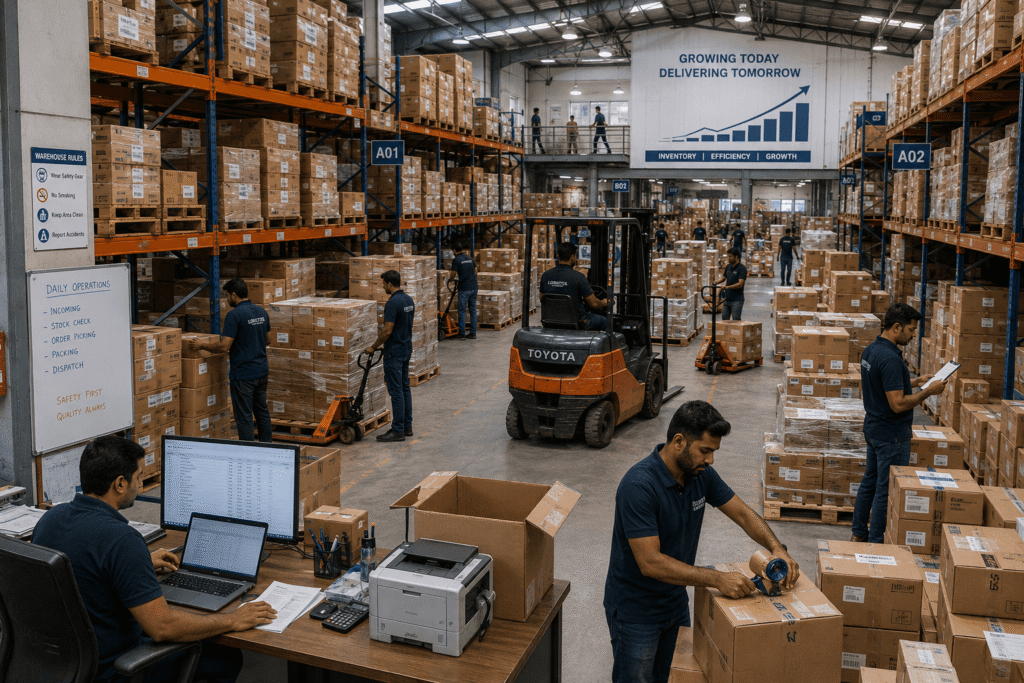
Growth Creates Inventory Complexity
A small business managing a few hundred products may be able to operate with basic systems.
As product ranges expand, customer orders increase, and multiple employees become involved, inventory management becomes significantly more complex.
Common challenges include:
- Duplicate stock records
- Delayed inventory updates
- Incorrect stock counts
- Overstocking slow-moving products
- Running out of fast-moving products
These problems often grow quietly until they begin affecting customers and profitability.
The Cost of Poor Inventory Processes
Poor inventory processes impact more than stock accuracy.
Businesses may experience:
Lost Sales Opportunities
Products may appear unavailable when stock actually exists, or products may be sold that are no longer available.
Higher Working Capital Requirements
Excess inventory ties up cash that could be invested elsewhere in the business.
Increased Operational Costs
Employees spend more time searching for products, correcting records, and investigating discrepancies.
Reduced Customer Trust
Customers expect accurate information and reliable product availability.
Repeated stock-related issues can damage a business’s reputation.
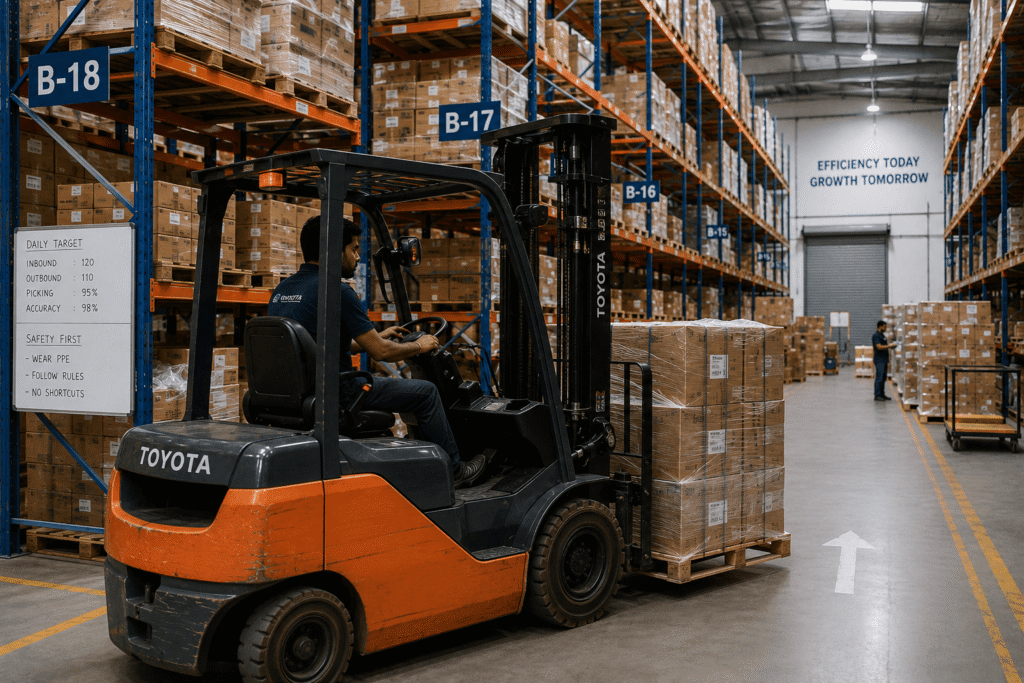
Practical Business Takeaway
If your business is growing, inventory processes should evolve along with it.
Regular inventory reviews, accurate stock tracking, and better inventory visibility can help prevent operational issues before they become costly problems.
The goal is not simply to know how much stock you have.
The goal is to create operational control that supports sustainable growth.

Conclusion
Many SMEs struggle with growth, not because demand is low, but because operational processes fail to scale.
Inventory management is one of the most important operational foundations of a growing business.
Businesses that improve inventory visibility, stock accuracy, and inventory processes are often better positioned to grow efficiently while maintaining profitability and customer satisfaction.
Looking to improve inventory visibility and operational control?
Explore how Business-POS Global helps SMEs simplify inventory management and gain better operational visibility.