

Introduction
As SMEs grow, managing inventory becomes more difficult.
What works for a small operation often stops working when product count, sales volume, and daily transactions increase. Inventory optimization for SMEs is becoming critical as businesses struggle with rising stock costs, slow-moving inventory, and operational inefficiencies.
Many growing businesses begin facing inventory accuracy issues, such as:
- incorrect stock levels
- missing products
- delayed updates
- stock mismatches between the system and the shelf
Over time, these issues affect operations, customer experience, and profitability.
Why Inventory Accuracy Becomes Difficult
Inventory accuracy problems usually do not appear suddenly.
Instead, they grow gradually as operations become more complex.
For example, businesses may:
- manage inventory manually
- delay stock updates
- depend on spreadsheets
- operate without real-time visibility
As a result, inventory data becomes unreliable.
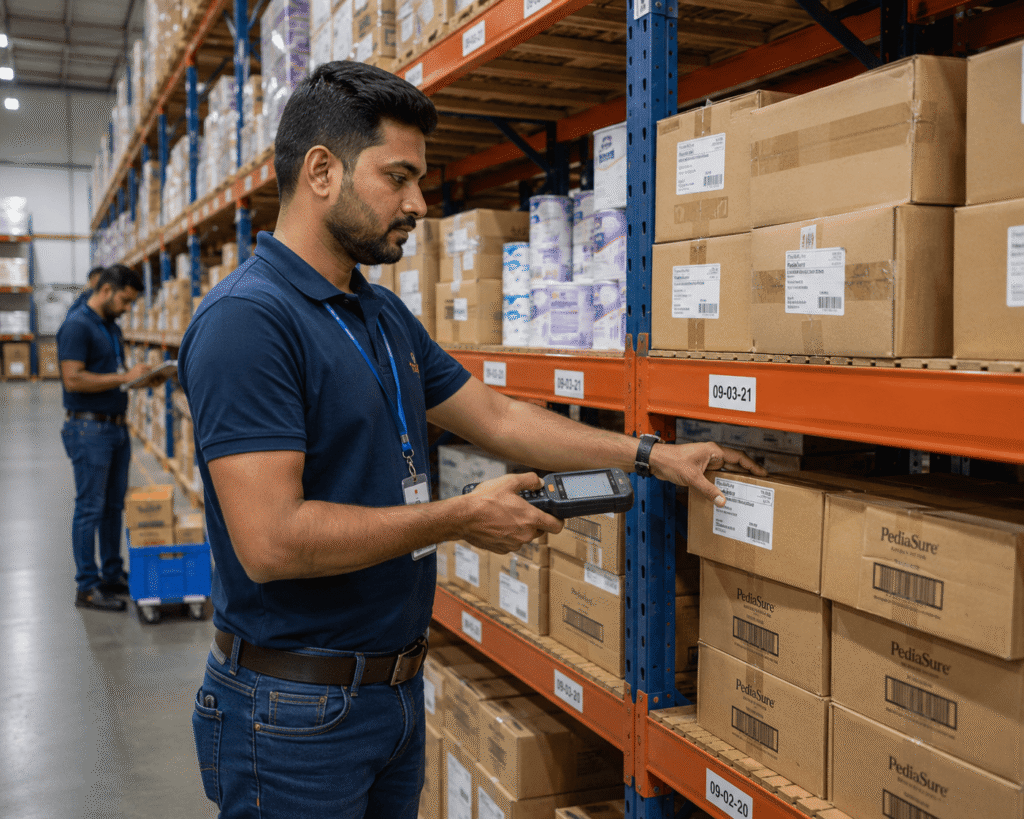
Common Operational Challenges
1. Fast-moving stock changes
When products move quickly, manual updates often fall behind.
2. Multiple people handling inventory
As teams grow, inventory processes become inconsistent.
3. Lack of centralized tracking
Without a clear system, different records create confusion.
4. Delayed inventory reconciliation
Small errors continue growing when businesses do not regularly verify stock.

Why Inventory Accuracy Matters
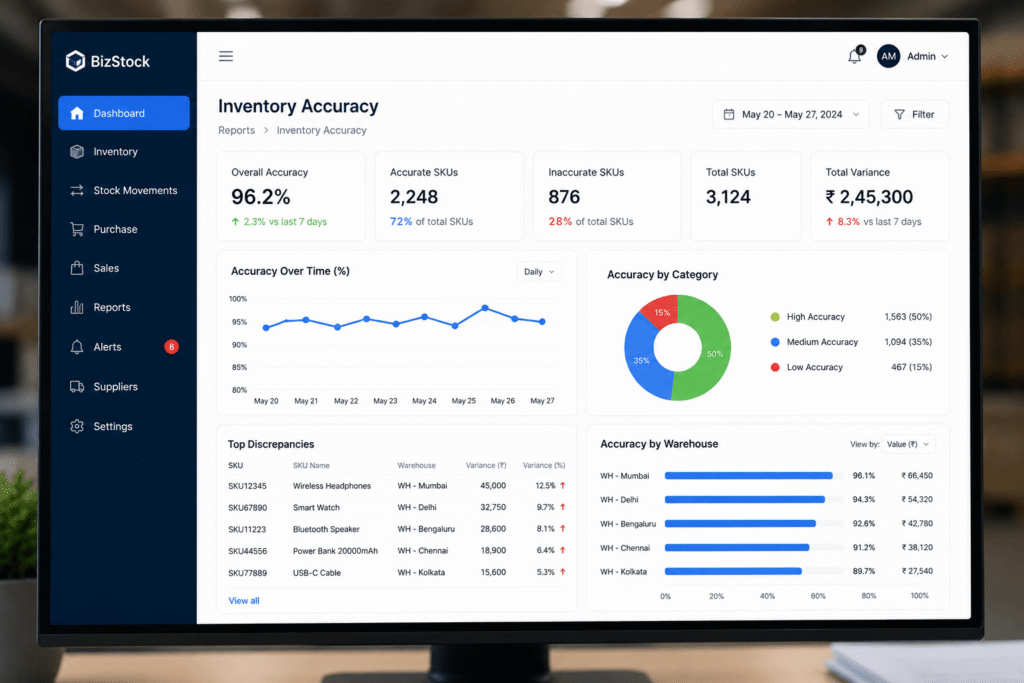
Accurate inventory is not only about stock control.
It helps businesses:
- improve order fulfillment
- reduce operational confusion
- make better purchasing decisions
- increase customer trust
In addition, accurate inventory visibility improves overall business efficiency.
Conclusion
Many SMEs focus on increasing sales and expanding operations.
However, sustainable growth also depends on maintaining inventory accuracy.
Businesses that improve inventory discipline early usually operate more efficiently as they scale.