
Introduction
Many SME owners focus on product quality, pricing, and customer service.
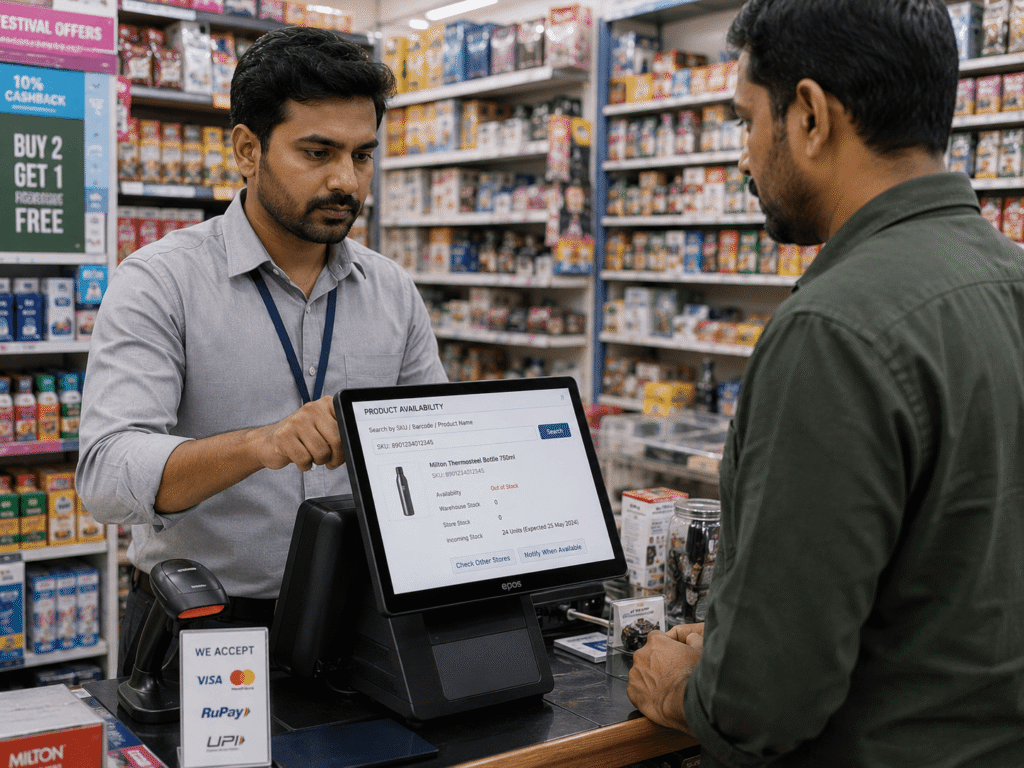
However, customer experience is often affected by something less obvious — inventory delays.
A customer may not see your inventory system, but they immediately notice when products are unavailable, deliveries are delayed, or promised stock cannot be supplied.
Over time, inventory delays can reduce customer trust and impact business growth.
Inventory Delays Often Start with Small Operational Gaps
Most inventory delays are not caused by major failures.
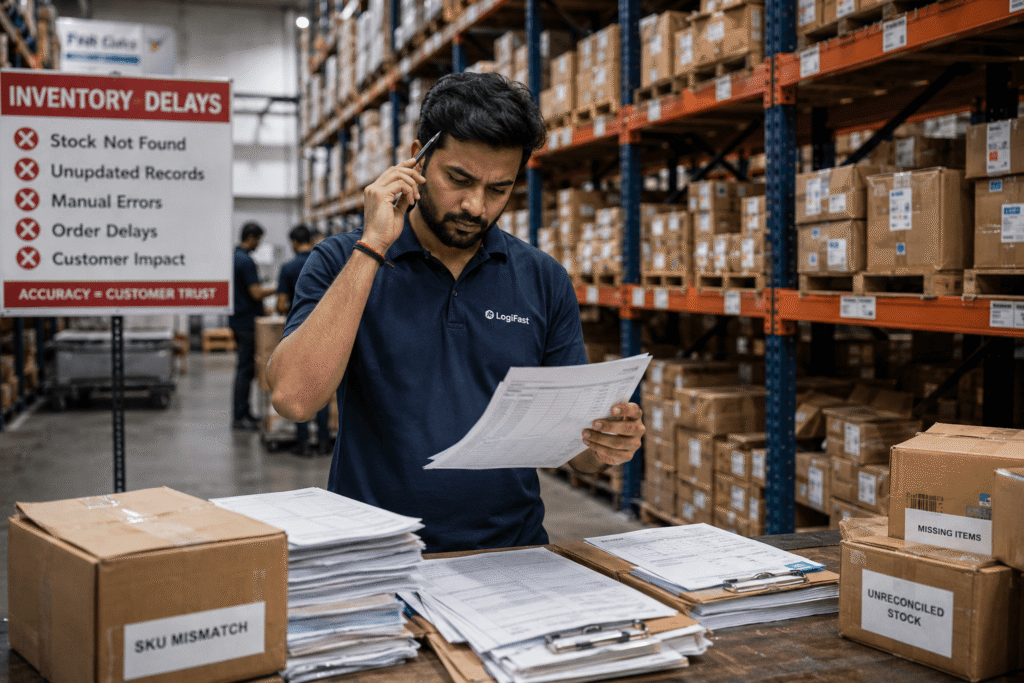
They often begin with small operational issues such as:
- Inaccurate stock records
- Delayed stock updates
- Poor warehouse organization
- Lack of visibility across locations
- Manual inventory tracking
Individually, these issues may seem manageable.
Together, they create delays that customers eventually experience.
Customers Expect Faster Responses
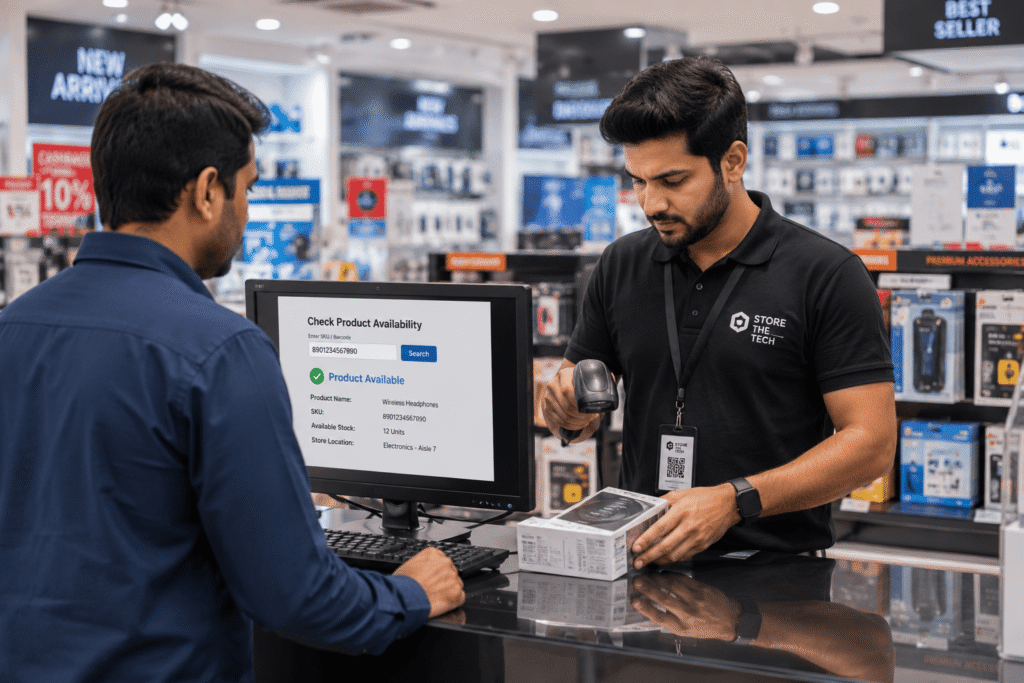
Modern customers expect quick and accurate information.
When a customer asks:
“Is this item available?”
Businesses should be able to answer immediately.
Without reliable inventory visibility, staff often need to:
- Check shelves manually
- Call another branch
- Verify warehouse stock
- Confirm availability later
These delays create frustration and reduce confidence.
Inventory Delays Affect More Than Sales
Many SMEs think inventory problems only affect stock management.
In reality, inventory delays impact:
Customer Satisfaction
Customers prefer businesses that provide accurate information quickly.
Repeat Purchases
Customers are less likely to return after repeated stock-related delays.
Business Reputation
Word-of-mouth recommendations often depend on reliability.
Operational Efficiency
Teams spend valuable time searching for information instead of serving customers.
Warning Signs SMEs Should Watch For
Inventory-related customer issues often appear as:
- Frequent stock availability checks
- Delayed order fulfillment
- Customers waiting for callbacks
- Last-minute stock transfers
- Growing customer complaints
If these situations occur regularly, inventory visibility may be contributing to the problem.
Improving Inventory Responsiveness
Growing SMEs can reduce inventory delays by:
- Maintaining accurate stock records
- Updating inventory in real time
- Improving warehouse organization
- Tracking inventory across locations
- Reviewing stock movement regularly
Better inventory visibility helps teams respond faster and serve customers more effectively.

Conclusion
Inventory delays rarely appear on financial reports immediately.
Instead, they quietly affect customer satisfaction, trust, and loyalty.
As SMEs grow, improving inventory responsiveness becomes an important part of delivering a better customer experience and supporting long-term business growth.