
Introduction
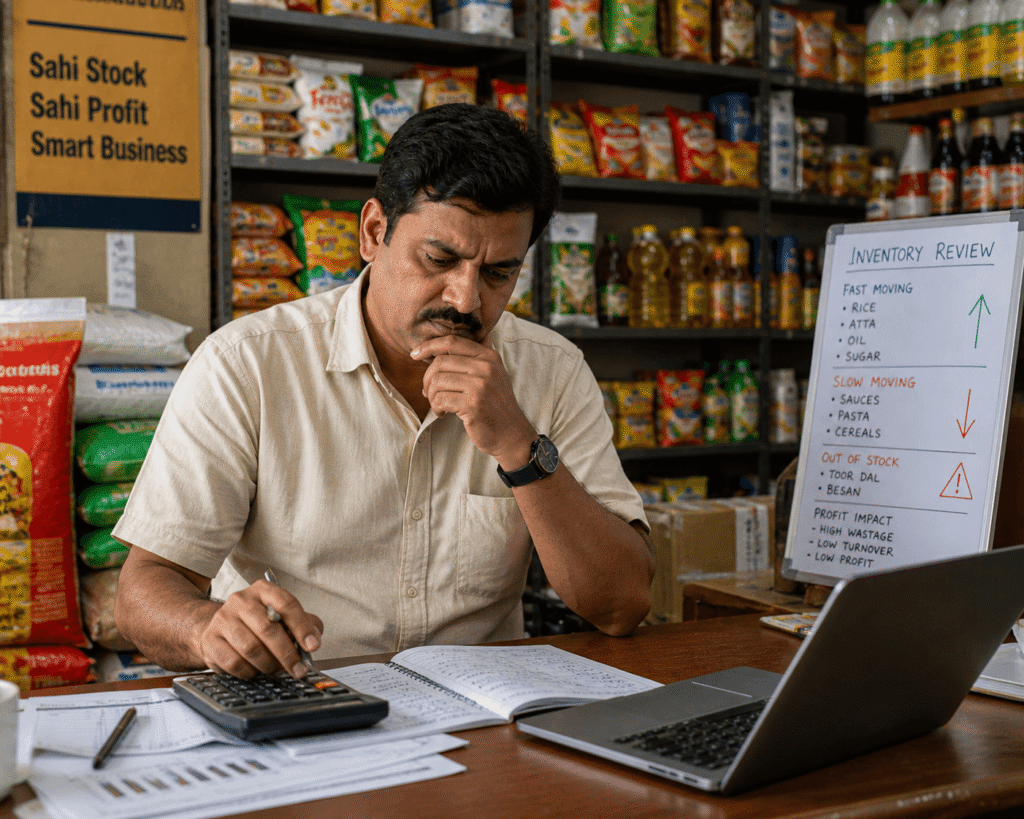
In many Indian SMEs, Inventory decisions are made quickly. However, they impact profit more than most businesses realize. This is often based on habit, assumptions, or past experience.
But what many business owners don’t realize is this:
Small inventory decisions directly impact profit.
Not always immediately.
But over time, they quietly affect margins, cash flow, and operational efficiency.
Where Profit Gets Impacted
Inventory is not just about stock — it is directly tied to business performance.
Here’s how everyday decisions affect profit:
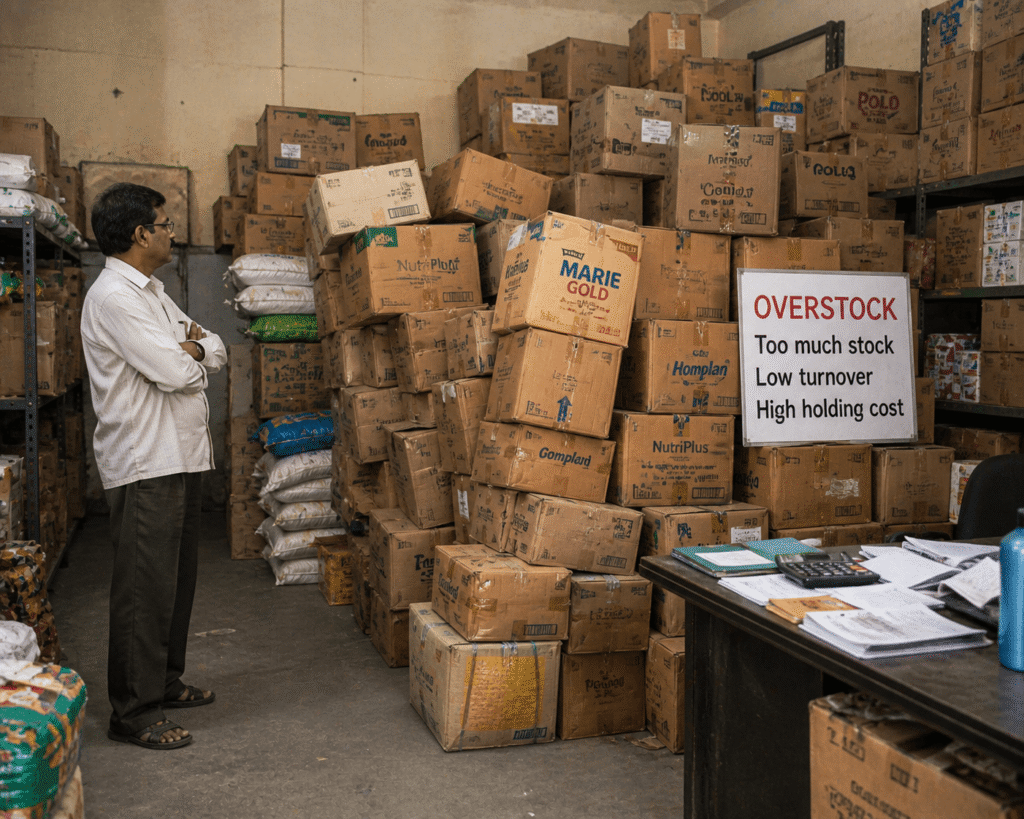
1. Overstocking reduces cash flow
Buying more than needed may feel safe, but it locks up working capital.
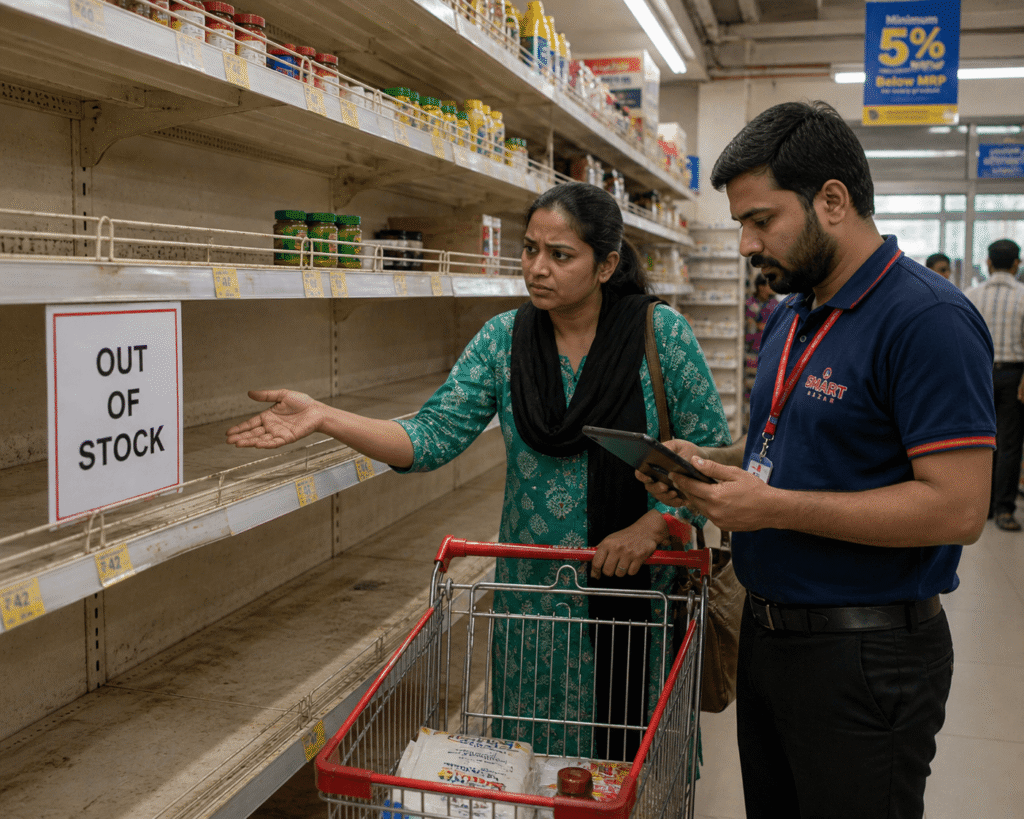
2. Understocking leads to missed sales
If products are unavailable at the right time, customers move elsewhere.
3. Wrong product mix affects margins
Stocking fast-moving but low-margin products without balance reduces profitability.
The Hidden Problem
Most SMEs don’t track why decisions are made.
They rely on:
- Manual tracking
- Approximate estimates
- Past trends
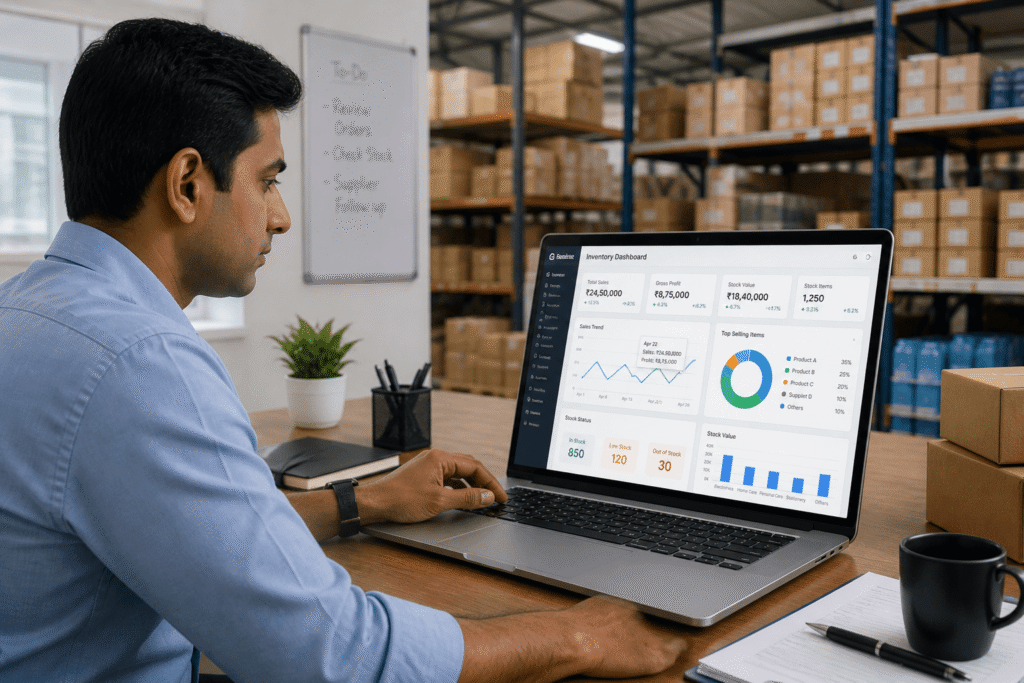
Without clear visibility, decisions become reactive instead of strategic.
What Better Decisions Look Like
Better inventory decisions are not about complexity — they are about clarity.
Businesses that improve see:
✔ Clear stock visibility
✔ Data-based reordering
✔ Balanced inventory levels
✔ Better cash utilization
Conclusion
Inventory is not just an operational task – it is a financial lever.
Every decision you make about stock has a direct or indirect impact on profit.
The difference between growing and struggling SMEs often comes down to how well inventory decisions are made.