

Introduction
Inventory mistakes in Indian SMEs are rarely caused by a single big problem.
Instead, they come from small mistakes repeated every day.
A missed update.
A delayed reorder.
An assumption instead of data.
Individually, they seem minor.
But together, they quietly impact sales, cash flow, and operations.
Here are the top 5 inventory mistakes many Indian SMEs still make — and how to avoid them.
1. Relying on Manual Tracking
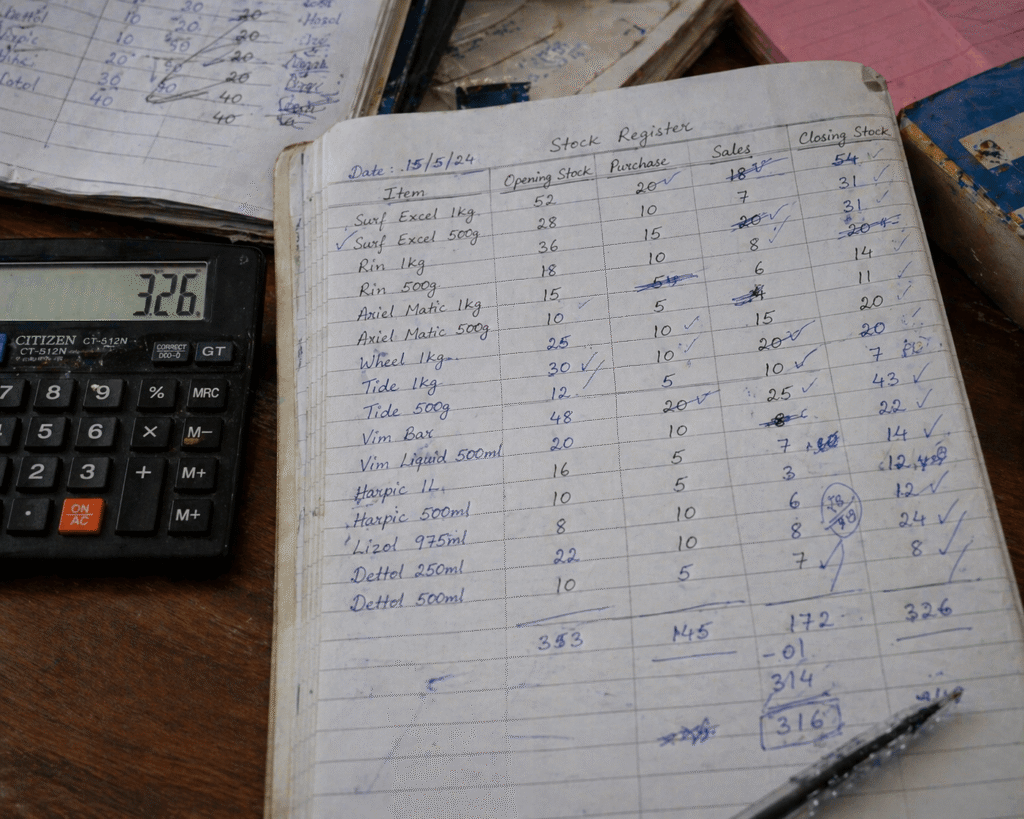
Many businesses still depend on notebooks, Excel sheets, or memory.
This leads to:
- Inaccurate stock data
- Missed updates
- Confusion between actual and recorded stock
How to avoid it:
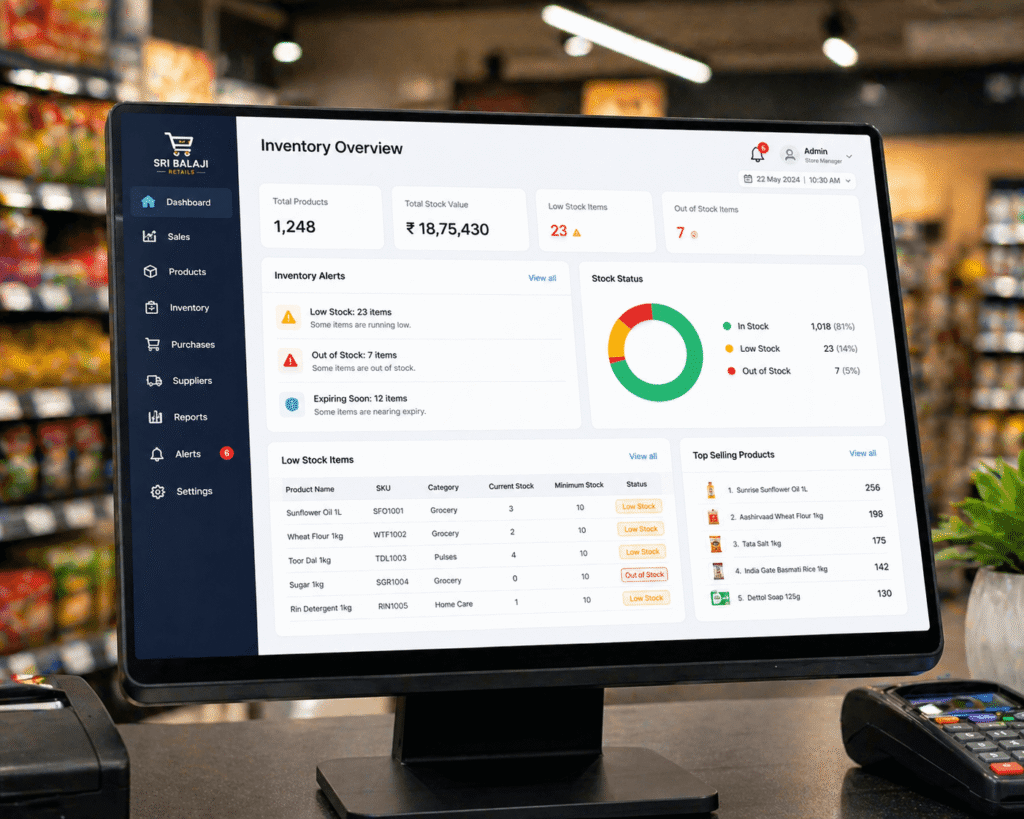
Move to a system that updates stock in real time.
2. Not Tracking Fast-Moving Items Closely
Fast-moving products generate most revenue — but often get the least attention.
Without tracking:
- Items run out unexpectedly
- Sales opportunities are lost
How to avoid it:
Identify top-selling products and monitor them regularly.
3. Overstocking “Just in Case.”
To avoid stockouts, many SMEs over-order inventory.
This results in:
- Blocked working capital
- Storage challenges
- Slow-moving stock
How to avoid it:
Base purchasing decisions on actual movement, not assumptions.
4. Ignoring Slow-Moving Inventory
Unsold products don’t always stand out.
They sit quietly — but:
- Lock capital
- Reduce efficiency
- Take up valuable space
How to avoid it:
Regularly review stock reports and identify non-moving items.

5. Working Without Real-Time Visibility
Most mistakes happen because inventory data is not updated in real time.
This leads to:
- Wrong decisions
- Stock mismatches
- Operational confusion
How to avoid it:
Ensure your inventory system reflects live stock status across your business.
Conclusion
Inventory management in SMEs is not about avoiding one big mistake.
It’s about consistently eliminating small mistakes.
When businesses improve visibility, tracking, and decision-making,
inventory becomes a strength — not a challenge.