
In today’s competitive electrical supply market, success isn’t only about selling more — it’s about selling smarter.
Most small distributors and retailers manage their day-to-day operations well but often overlook one powerful tool already built into their POS system: reporting.
A modern POS doesn’t just process sales; it analyzes performance, highlights trends, and guides profitable decisions.
1. Understanding Where the Money Comes From
POS sales reports show which products are your top sellers — and which ones stay on shelves too long.
By analyzing this data weekly, you can identify your most profitable categories, brands, and suppliers.
That means you can buy more of what sells fast and cut down on dead stock — freeing up cash flow instantly.
💡 Tip: With Business-POS, you can view category-wise sales summaries or product-level margins in one click.
2. Reducing Overstock and Lost Sales
Electrical suppliers often face two opposite problems — overstocking slow items and running out of fast ones.
POS inventory reports provide real-time stock visibility, so you can reorder just in time instead of guessing.
You also reduce storage costs and prevent lost sales opportunities.

3. Tracking Customer Buying Patterns
When you track your repeat customers’ purchases, you start noticing patterns.
For example, certain electricians might always buy a specific type of breaker or cable.
Using POS customer reports, you can create targeted promotions or notify them when items they need go on sale.
That’s how small stores turn into trusted local suppliers.
4. Managing Margins and Discounts Wisely
Margins can vary widely across electrical products.
A well-configured POS helps you monitor profit margins by product or invoice, ensuring discounts never cut into profit.
Business-POS users can even set alert levels to identify transactions below desired margin thresholds.

5. Making Better Supplier Decisions
Your purchase reports reveal which suppliers deliver quality stock on time — and which often cause delays.
When you combine this data with sales performance, you gain leverage to negotiate better terms or find alternatives.
6. Planning for Growth
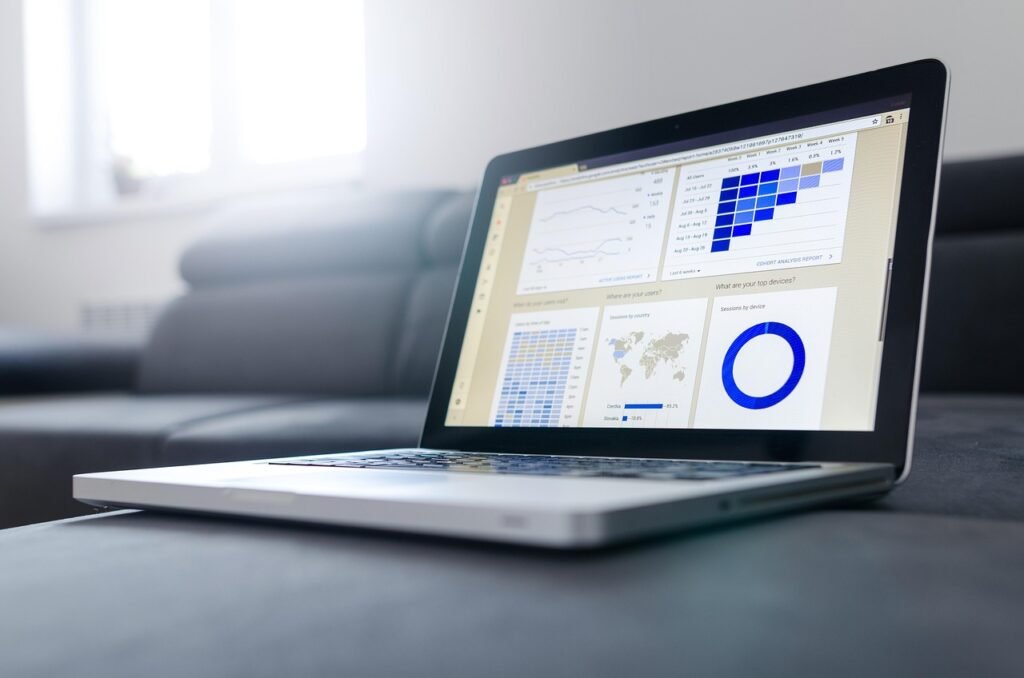
At the end of each month, reviewing your POS performance dashboard gives you a clear picture of total revenue, cost trends, and customer growth.
This data-driven approach allows you to plan your next expansion step — whether it’s hiring more staff, opening a second store, or upgrading equipment.

Final Thoughts
Reports are not just numbers — they’re your roadmap to profitability.
If you’re still not using POS reporting to its full potential, you might be missing out on hidden profits in your own data.
Start tracking smarter today with Business-POS Global, designed for small and medium-sized electrical and lighting suppliers.